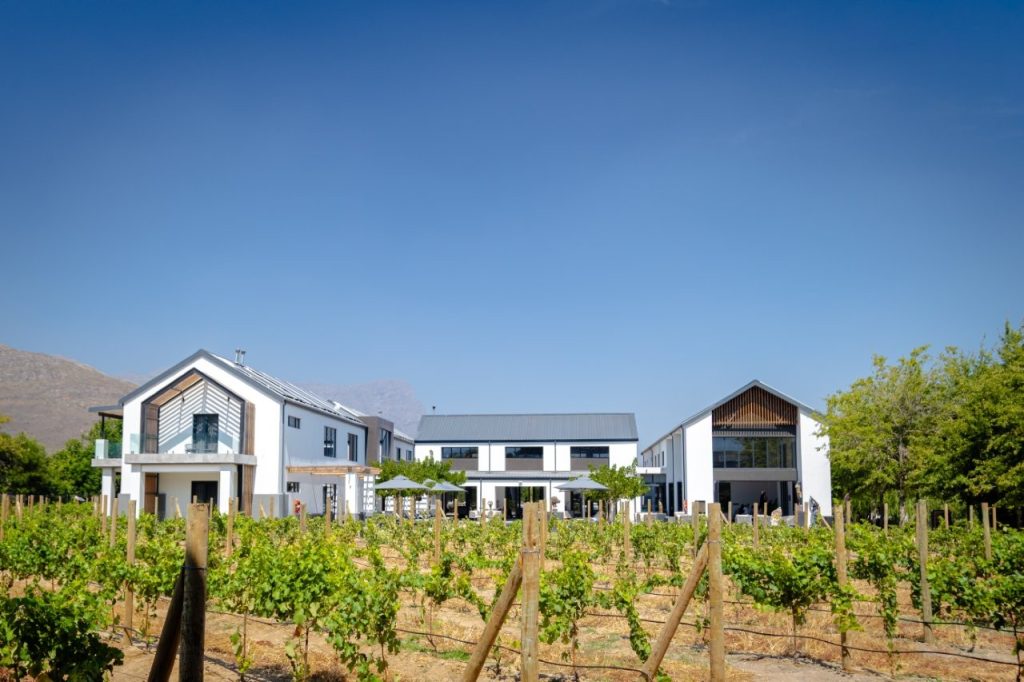
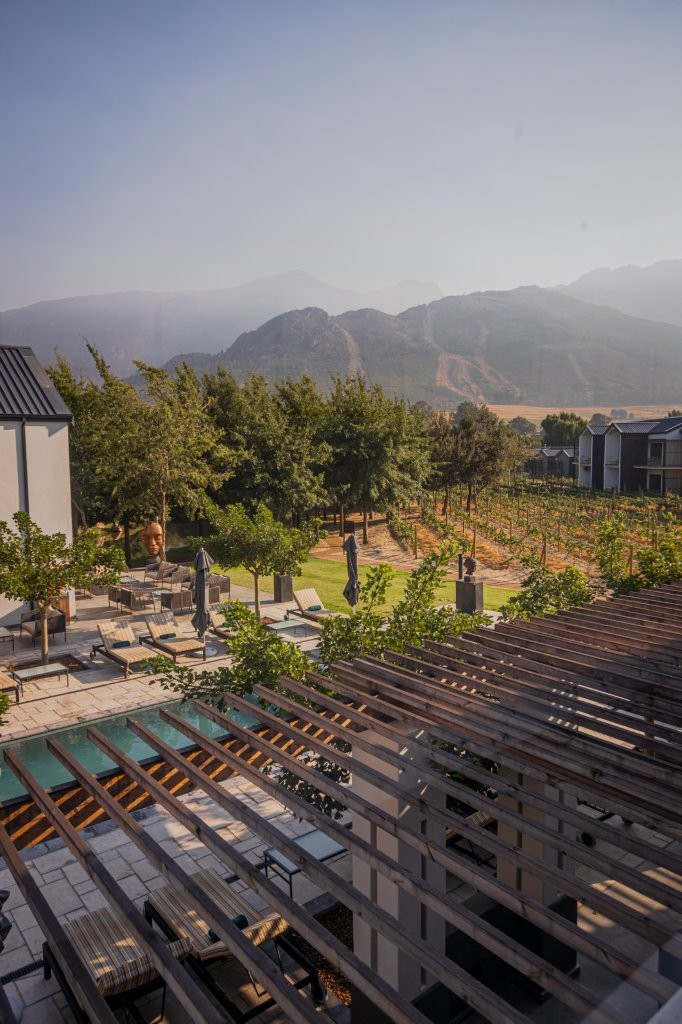
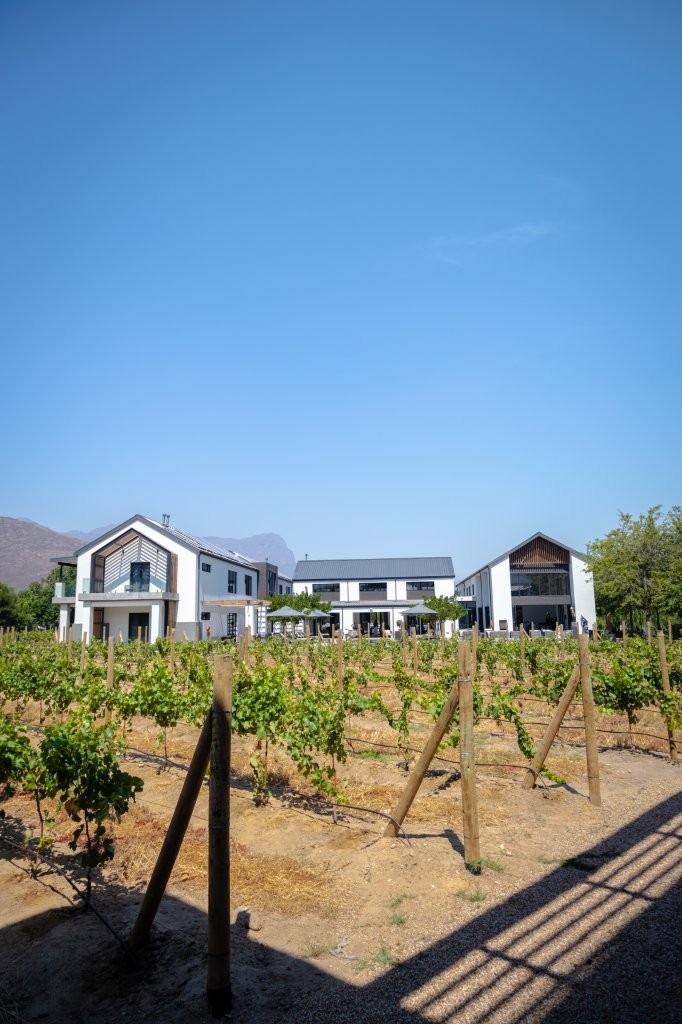
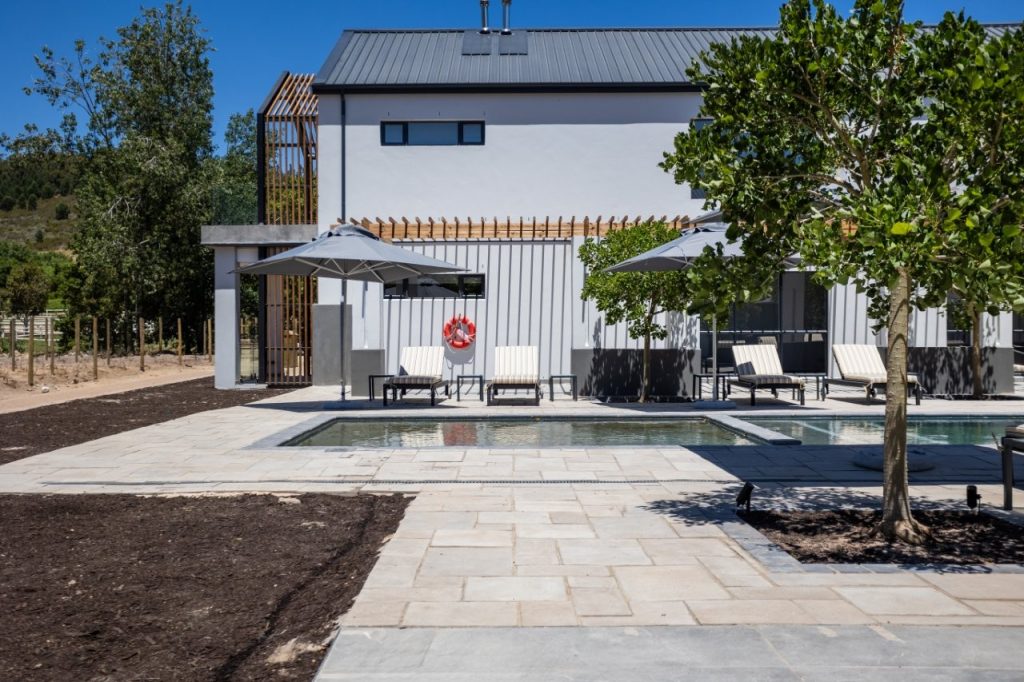
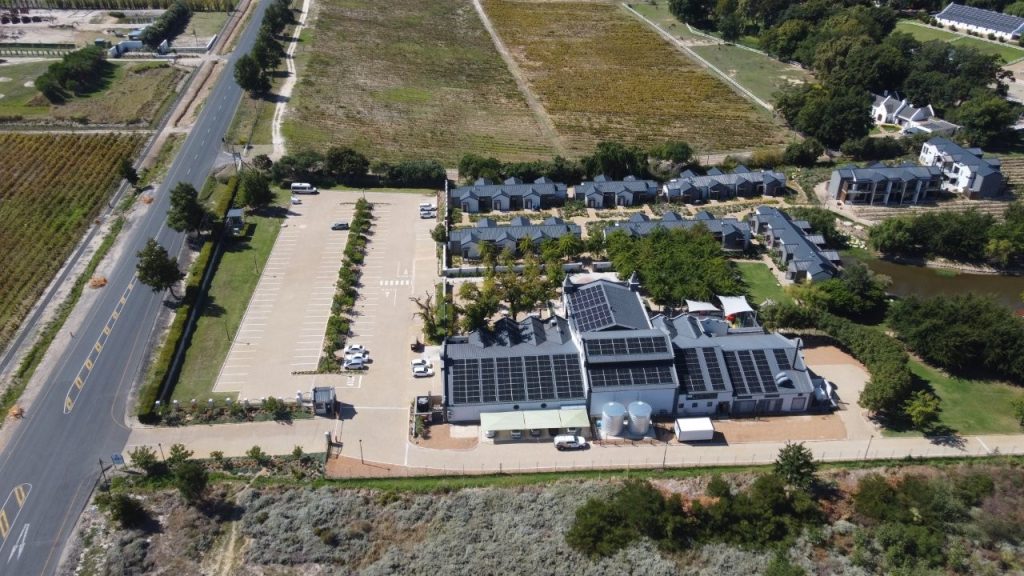
Three kilometers outside Franschhoek village, on a property where a craft brewery shares space with a boutique hotel, something quietly practical is happening. While much of the travel industry talks about sustainability in broad strokes, the team at @Franschhoek Hotel has spent the past few years building it into the daily mechanics of how the place runs.
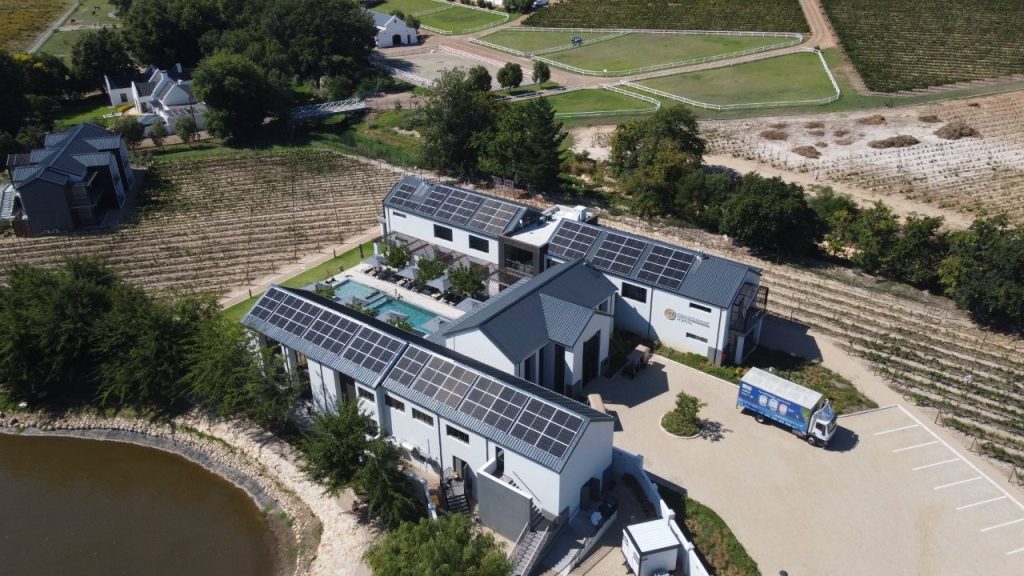
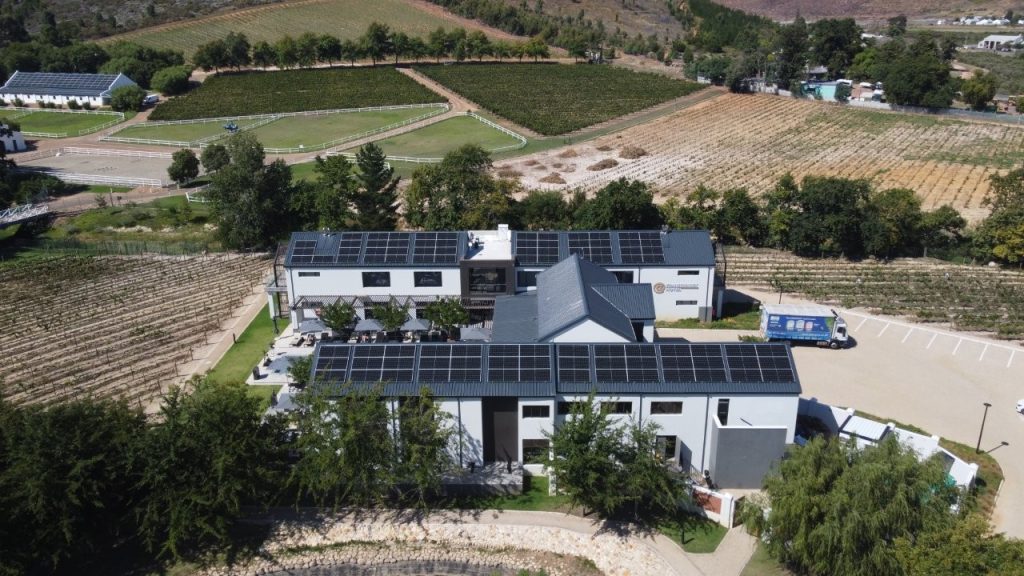
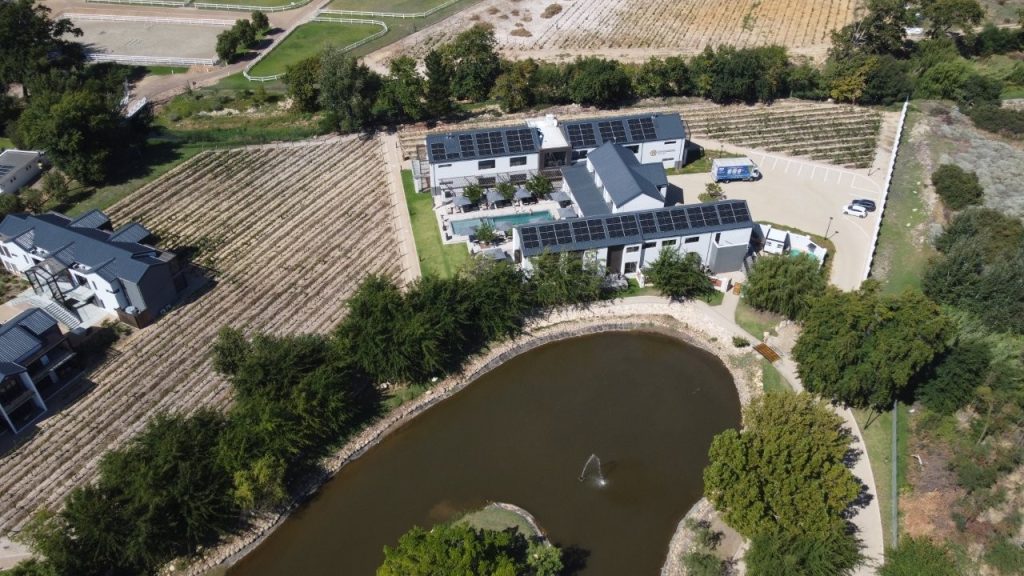
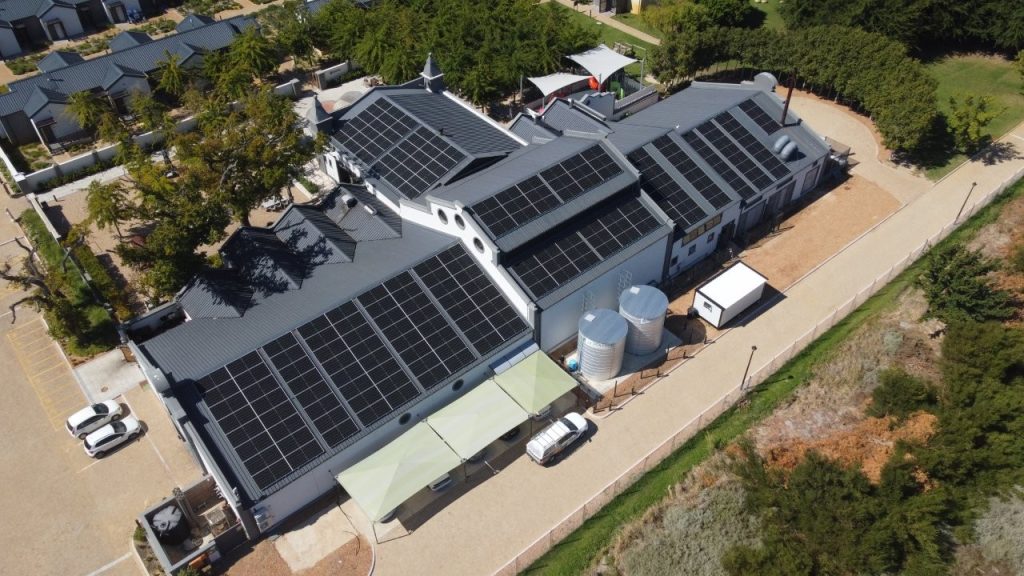
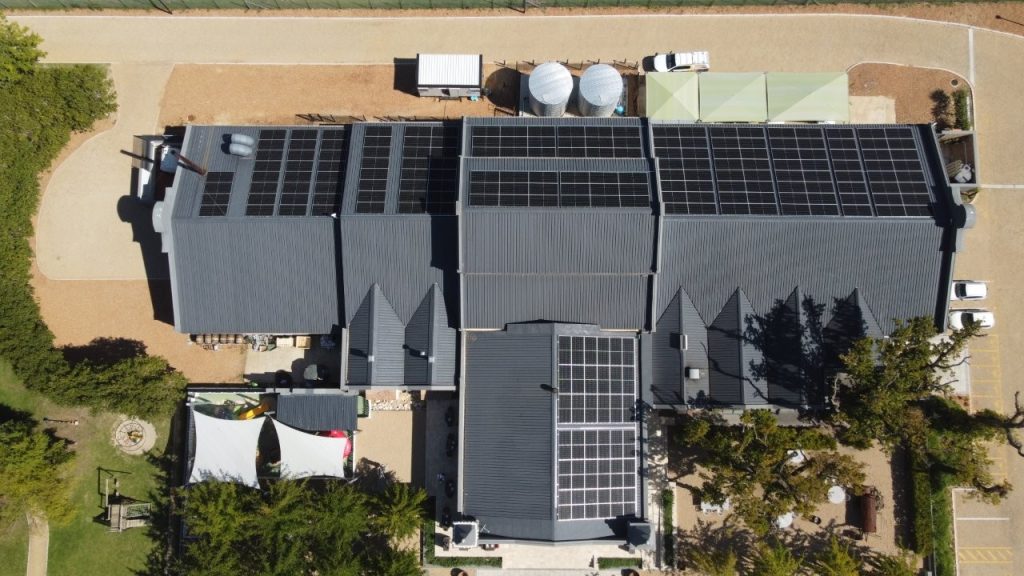
The result is not a carbon-neutral certificate on the wall. It is a 110kW solar installation on the roof, a borehole system that has reduced the property’s reliance on municipal water, and a waste programme that puts money into the hands of local families. It is also, somewhat unexpectedly, a working craft brewery producing Belgian-inspired beers from the same site.
Sustainable travel has moved well past the point of being a niche consideration. A growing body of research points to a fundamental shift in how people make booking decisions, with environmental and social responsibility now ranking alongside price and location for a significant proportion of travellers. The challenge for the hospitality industry has been translating that shift into something credible, moving beyond recycling bins in the bathroom and vague pledges about carbon offsetting towards operational choices that hold up to scrutiny. A small number of properties are doing exactly that, quietly and without much fanfare.
“We are not trying to be the loudest voice in the conversation about sustainable travel,” says General Manager Charl Theron. “We are trying to show what it looks like in practice, day to day, in a place that matters to us. The solar installation, the boreholes, the work we do with the local community around waste – these are not marketing tools. They are how we run the hotel.”
Brewing with a conscience
Hey Joe Brewery sits at the heart of the @Franschhoek Hotel property, and the two operations share more than a plot of land. The brewery’s beer tour and tasting experience draws guests into the story of the site – sharing the history, shedding light on the craft, and showcasing the Franschhoek Valley setting – and anchors the property’s identity in something genuinely local. It is the kind of offering that gives travellers a reason to stay put rather than move on, which is, in itself, a more sustainable way to travel.
Theron puts it plainly: “Having Hey Joe Brewery on the property reinforces what we are trying to do. It is local, it is made here, and it gives guests a genuine connection to where they are.”
Running on sunlight
Two rooftop solar photovoltaic systems, with a combined inverter capacity of approximately 110kW, reduce the hotel’s draw from the national grid throughout daylight hours. A 400kVA backup generator runs alongside the solar installation to manage demand when needed, keeping diesel use to a minimum. Battery storage is currently under review, which would allow the property to retain surplus solar energy and use it after dark, a step that would meaningfully reduce grid dependence further.
Water in a region that cannot afford to waste it
Water security in the Western Cape is not an abstract concern. The region’s “Day Zero” crisis in 2018 left a lasting mark on how businesses in the area think about consumption. At @Franschhoek Hotel, on-site boreholes supply both irrigation and drinking water, easing the load on municipal infrastructure. Heat pump technology paired with bulk hot water systems reduces electricity use without requiring guests to take cold showers.
Waste that earns its keep
A local team manages waste separation on the property several times a week. Recyclable materials are sold onward rather than sent to landfill, generating direct income for the families involved. It is a small-scale model, but one that ties environmental practice to tangible economic benefit for people in the community.
Land that is looked after
The grounds have been cleared of alien vegetation and the property’s oak trees, which are a feature of the Franschhoek landscape, are carefully maintained. Landscaping decisions are made with longevity in mind, creating a natural buffer that protects the property’s character and contributes to the broader health of the valley’s ecosystem.
The Franschhoek Valley has always attracted people who care about quality. @Franschhoek Hotel is simply extending that standard to how it uses the land on which it is built.